Modern marketing demands speed, and launching custom apps quickly is critical for competitive campaigns. A powerful AI app builder helps marketers ship production-ready tools without engineering delays, optimizing growth experiments and ROI.
Today, I am reviewing Emergent, an AI-powered vibe coding platform that lets you build full stack web and mobile apps from simple prompts.
In this Emergent Review, we will examine its core capabilities, including AI agents, no code app building, code export options, and deployment speed.
We will also evaluate its pricing structure, self-hosted features, enterprise readiness, and how it compares to alternative platforms.
Finally, I will reveal if you should invest in Emergent for your marketing and product experiments. So, let's get started. 🚀
What is Emergent? 🎯
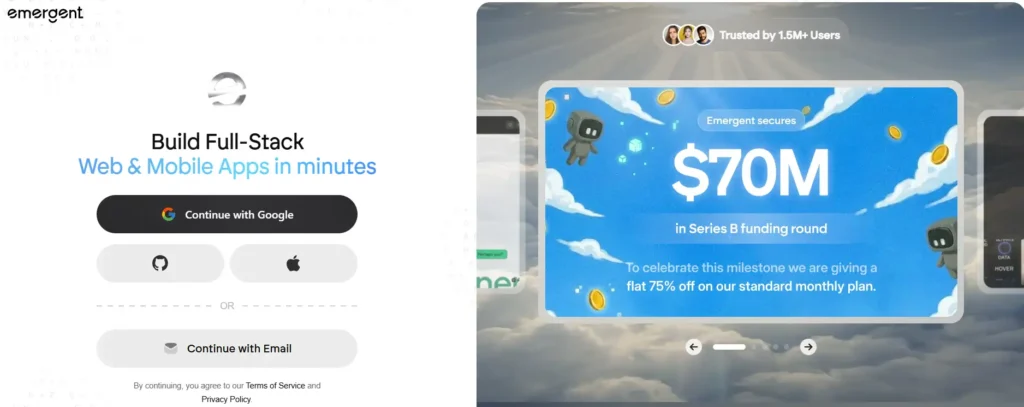
Emergent AI is a no-code app builder powered by artificial intelligence. You describe what you want in plain English. Then AI agents design, code, and deploy your application from start to finish.
Founded in 2024 by twin brothers Mukund Jha and Madhav Jha, it serves over 5 million builders across 190 countries.
It works entirely in your browser. No need to install software. No need to configure Android Studio. No need to manage servers. You simply type what you want and watch the magic happen.
Emergent AI App Builder 5% Off
Use Emergent AI agents to design, code, and launch powerful SaaS apps effortlessly.

Use Code 🎁
AIMOJO
Key Aspects of Emergent AI⚙️
| Aspect | Details |
|---|---|
| Platform name 🏷️ | Emergent (emergent.sh) |
| Founded year 📅 | 2024 |
| Founders 👥 | Mukund Jha (CEO) and Madhav Jha (CTO) |
| Headquarters 📍 | San Francisco, California |
| Latest funding round 💵 | $70 million Series B |
| Total users 👨💻 | 5 million plus builders |
| Global reach 🌍 | 190+ countries |
| Apps created 📱 | 6 million plus applications |
| Annual recurring revenue 💹 | $50 million ARR within 7 months |
| Platform type ⚡ | Agentic vibe coding platform with autonomous AI agents |
Marketers and non technical users can build full stack web apps and mobile applications without writing a single line of code. The platform reached $50 million ARR within seven months of public launch.
Emergent Key Features 💡
What makes Emergent stand out from other AI-powered development platforms? Here are its most impressive capabilities.
Full-Stack Application Building
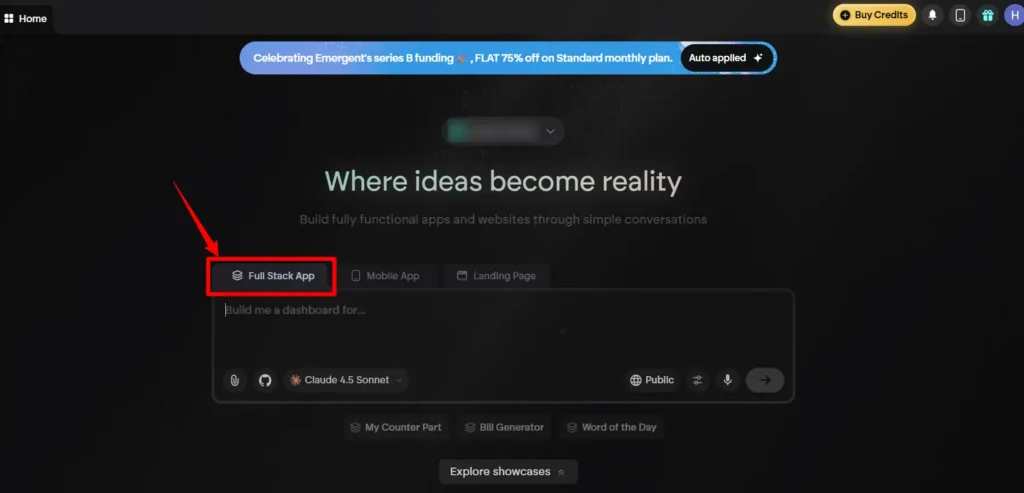
Emergent AI handles everything from frontend to backend. You get authentication systems. You get database modelling. You get API integrations. Everything a working app needs comes built-in.
Both web applications and mobile applications can be created on one platform. You can build for iOS and Android without switching tools.
Multi-Agent AI System
Different AI agents specialise in different tasks. You have a Builder agent for creating features. A Quality agent for testing. A Deploy agent for launching. An Optimizer agent for improving performance.
You can actually see how each agent contributes to your project. It makes everything transparent and gives you control over the automation.
Full Code Ownership and Export
Your applications generate as standards-based code, not platform-locked assets. Download complete codebases in React, Next.js, Expo, or Python frameworks.
Host anywhere you choose. Scale independently from Emergent. Modify in VS Code or any IDE you prefer. Full GitHub integration means you push and pull code like any developer workflow.
For businesses thinking long-term, you can migrate away if needed. Your codebase belongs to you completely.
Flexible LLM Model Selection

Choose between Claude Sonnet 4.0, 4.5, and GPT-5 for different tasks. Balance cost, speed, and quality per workflow. Pro plans offer 1M token context windows for analysing lengthy specifications before code generation. Deep research contexts work brilliantly for complex projects.
Adaptive Learning System
The platform learns your preferences over time. It remembers your naming conventions. It picks up your design patterns. It adapts to your workflow habits. Result? Faster builds and fewer prompts needed as you keep using it.
Enterprise-Grade Security
Every project sits in its own isolated environment. Encrypted data storage comes standard. Role-based access controls are built in. SOC-aligned auditing is available. Perfect for regulated industries and professional development teams.
Model Context Protocol
Emergent connects with external tools like Figma, Notion, and API documentation. It pulls in external context automatically. Makes building more efficient when you already have designs or specs ready.
Private Project Hosting
Keep your work private with secure hosting. Each project runs in an isolated environment. Your data stays protected. This matters especially for business apps and enterprise solutions.
How to Build an App With Emergent AI ?🛠️
Getting started with Emergent is surprisingly simple. Here is your step-by-step guide.
- Step 1. Sign Up for an Account
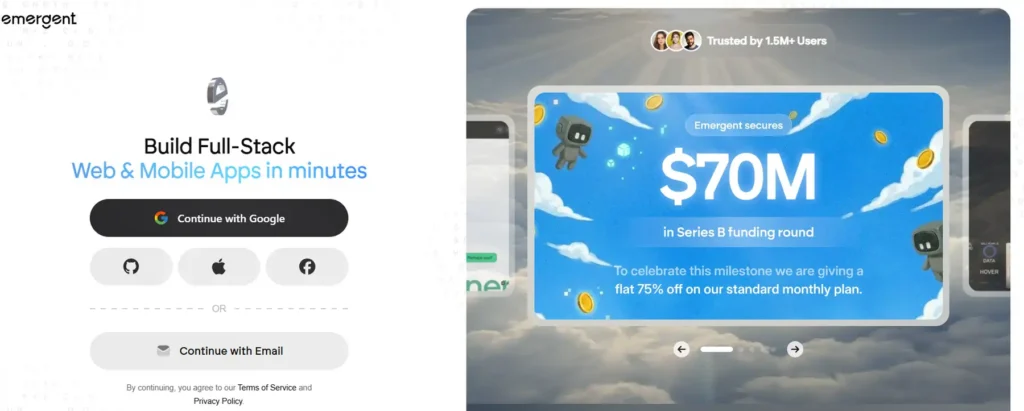
Head to app.emergent.sh and click Continue with Google or Continue with Email. Registration takes about 30 seconds. No credit card required for free accounts.
- Step 2. Start a New Project
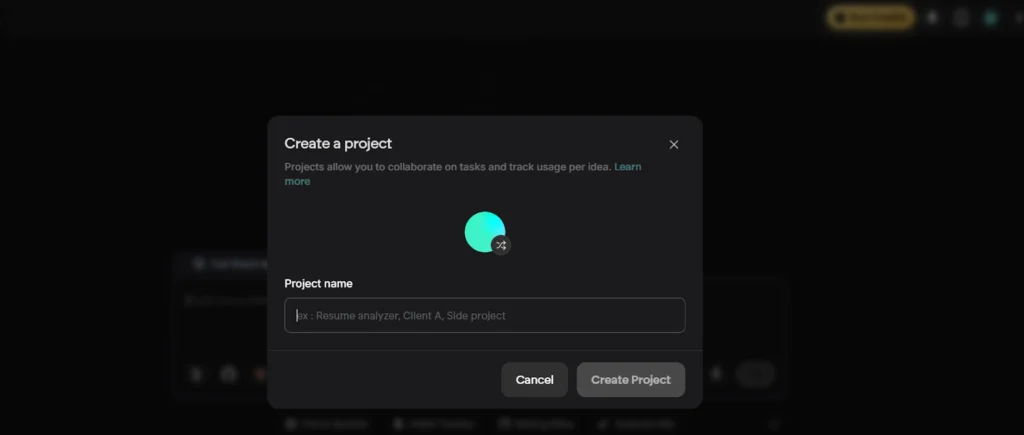
Once logged in, you can start a new project. Give it a name that makes sense. Choose whether you want a web app, mobile app, or landing page.
- Step 3. Describe Your App
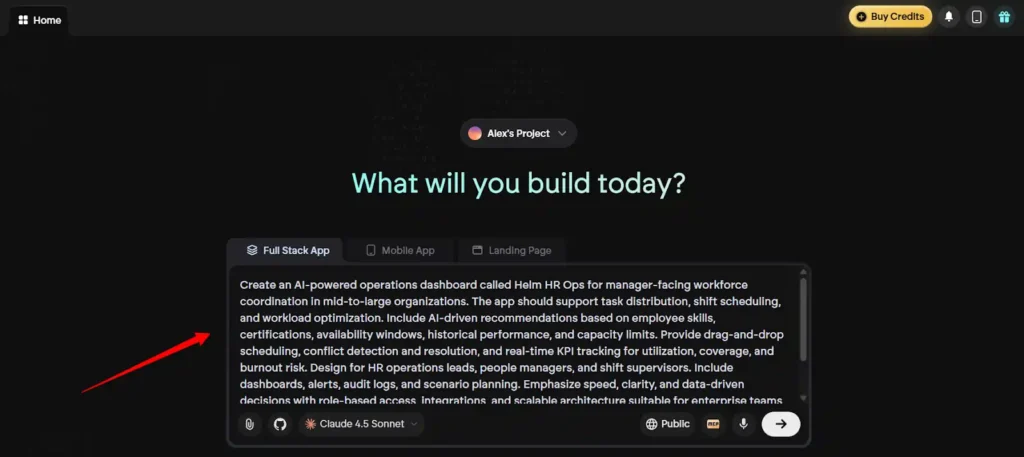
Here is where the magic begins. Type what you want your app to do in plain English. Be specific about features, pages, and functionality. For example, write “Build a fitness tracking app with user login, workout logging, progress charts, and weekly reminders.”
- Step 4. Watch AI Agents Work
Emergent's multi-agent system kicks into gear. You can observe each agent doing its job. The Builder agent creates components. The Quality agent checks for bugs. It all happens in real-time.
- Step 5. Review and Refine
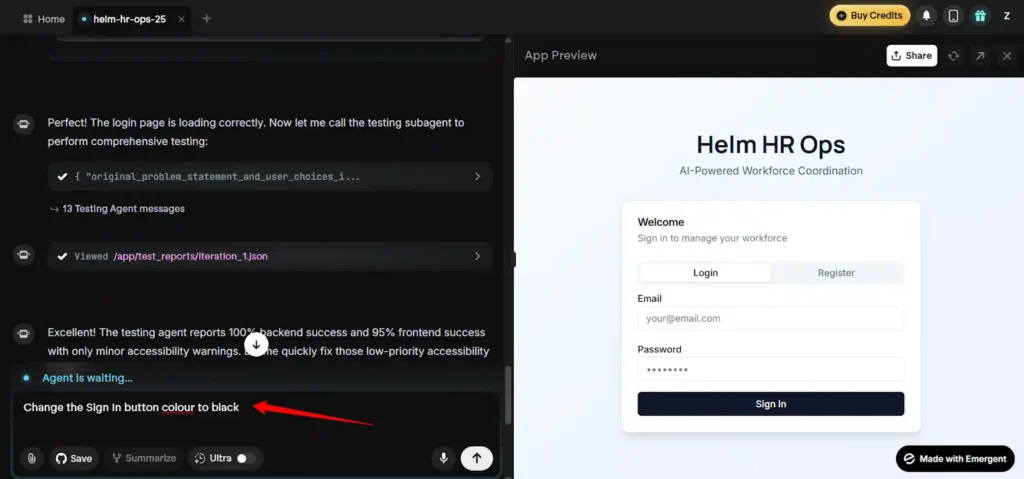
Once done, review what has been built. Want changes? Simply describe them in natural language. Say “Make the dashboard blue” or “Add a calendar feature.” Emergent adjusts accordingly.
- Step 6. Deploy Your App

When satisfied, hit deploy. Emergent handles hosting, server configuration, and everything technical. Your app goes live without you touching any DevOps settings.
- Step 7. Export if Needed
Want the code? Download it anytime. You can then host on your own servers or make manual modifications.
Emergent Pricing Plans At a Glance💰
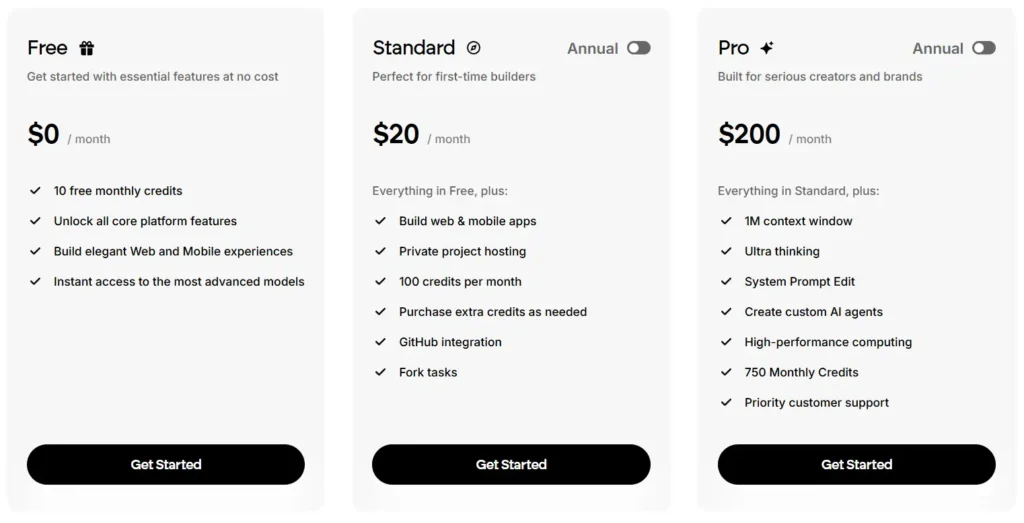
Emergent operates on a credit-based system where credits power AI generation, builds, and deployments.
| Emergent Plan | Monthly Cost | Credits Per Month | Key Features |
|---|---|---|---|
| Free | $0 | 10 credits | Core features, web and mobile apps, advanced AI models, one-click LLM integration |
| Standard | $20 | 100 credits | Private hosting, GitHub integration, fork tasks, purchase extra credits |
| Pro | $200 | 750 credits | 1M context window, ultra thinking, custom AI agents, system prompt edit, high-performance computing, priority support |
| Enterprise | Custom | Custom | SSO, domain capture, advanced organisational features |
Note that deployment uses credits too. A standard deployment costs around 50 credits. Budget accordingly if you plan to ship multiple apps.
Exclusive 5% Off Emergent Platform
Start building AI-generated web and mobile applications instantly with Emergent’s browser-based builder.
Use Code 🎁
AIMOJO
Annual billing saves you money. The standard plan saves $36 per year. Pro plan saves $396 per year. Worth considering if you know you will stick around.
Integration Capabilities and Ecosystem 🔌
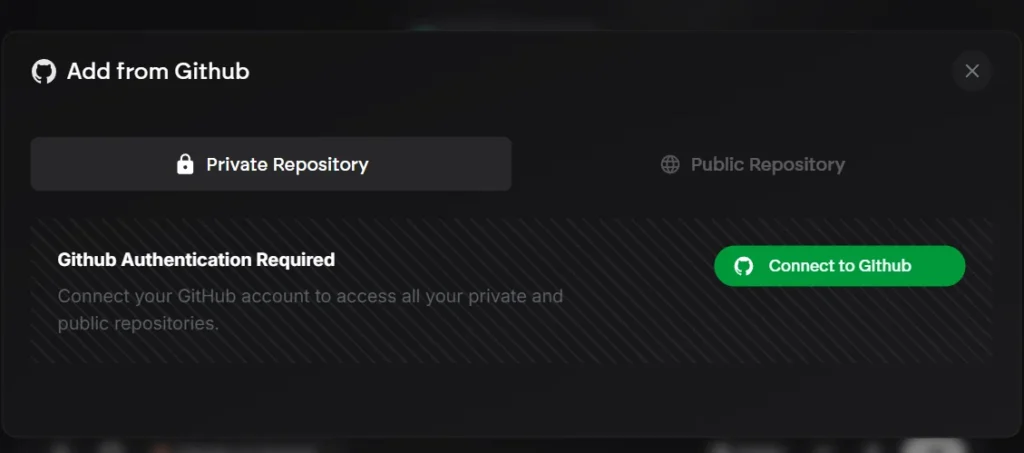
GitHub integration enables seamless code management and version control. Push generated code directly to repositories. Collaborate with developers using familiar Git workflows.
API access available on Pro and Enterprise plans. Connect Emergent to existing tools and workflows programmatically. Build automated pipelines incorporating AI app generation.
Deployment integrates tightly with Emergent hosting infrastructure. Custom domains connect easily for professional branding. Environment variables manage configuration across development and production.
Team Collaboration Features 👥
Emergent supports team-based development. Multiple contributors can design, generate, review and evolve applications together.
Team members refine prompts collaboratively. They review generated code, inspect changes and publish updates together. For startups and product teams, collaborative features speed up development cycles significantly.
Enterprise plans offer additional collaboration tools. Custom permissions, shared workspaces and team management features make Emergent suitable for larger organisations.
Platform Performance and Reliability 🎯
Emergent demonstrates impressive generation speeds averaging 10 minutes for full-stack applications. AI models continuously improve through regular updates. Platform stability remains solid with minimal downtime reported.
Automatic scaling ensures applications handle traffic spikes gracefully. Managed MongoDB provides reliable data persistence. Security features protect applications through environment variables and secure hosting.
GitHub export creates a backup safety net. Download code anytime to continue development elsewhere. Platform independence prevents vendor lock-in concerns.
Code Quality and Technical Output 👨💻
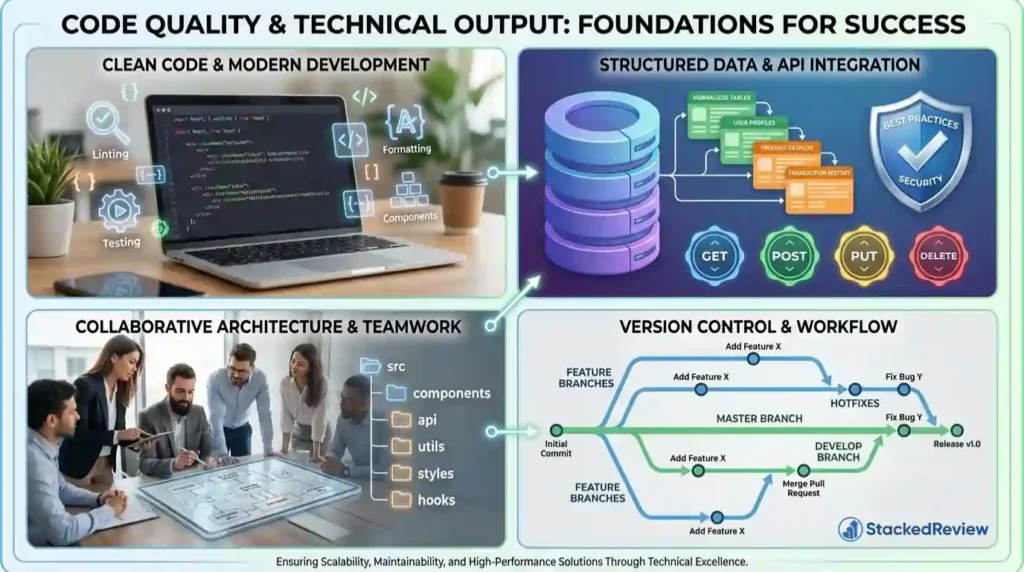
Generated code follows industry standards and best practices. React components use functional patterns with proper hooks. Backend APIs implement RESTful conventions. Database schemas normalise appropriately without redundancy.
Marketing teams appreciate clean structure when handing projects to developers for enhancement. Technical teams validate that outputs match senior engineer quality. No spaghetti code or workarounds. Architecture patterns reflect modern software engineering.
Code comments explain logic clearly. Variable names use descriptive conventions. File organisation follows framework recommendations. Version control works smoothly since structure stays logical.
Emergent Pros and Cons ✅❌
Pros
Cons
What Can You Build With Emergent? 🛠️
Emergent handles a wide variety of app types. It works especially well for:
Emergent Security and Compliance 🔒

Security matters, especially for business applications. Emergent takes this seriously with several protective measures:
Project Isolation: Keeps each application in its own secure container. Your code and data never mix with other users. This prevents leaks and ensures clean builds.
Encrypted Storage: Protects sensitive information. User credentials, API keys, and business data stay safe from unauthorised access.
Permission Controls: Let you manage who sees what. Set roles for team members. Limit access to sensitive projects. Maintain compliance with internal policies.
SOC-Aligned Auditing: Helps regulated industries. Track who did what and when. Meet audit requirements without extra tools.
Is Emergent AI Right for Marketers? 📊
As a marketer, you probably want to build landing pages, lead capture tools, customer portals or internal dashboards. Emergent handles all of these.
Marketing use scenarios:
You focus on strategy. Emergent handles technical execution. No waiting for developers. No expensive agency fees.
Emergent for Mobile App Development 📲
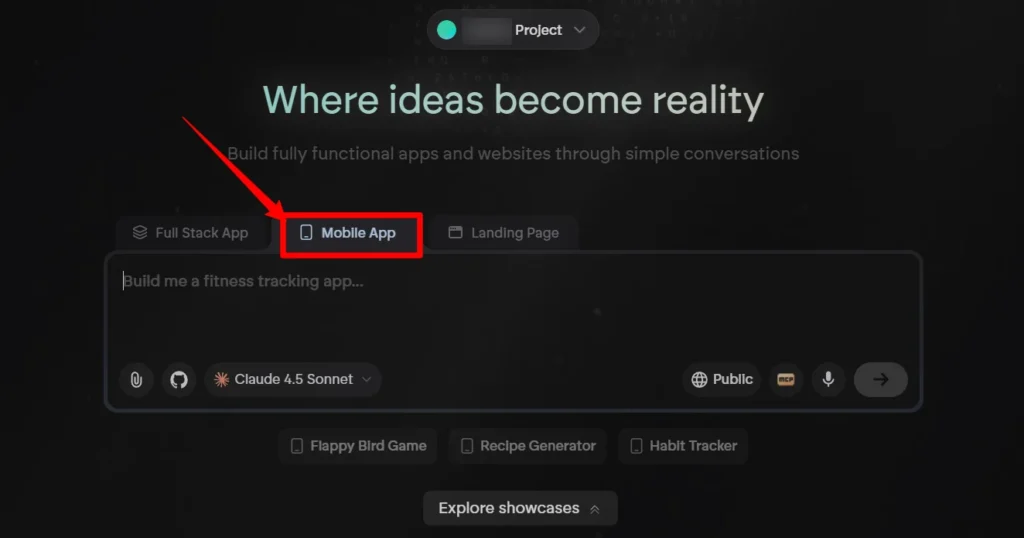
What sets Emergent apart in mobile app building is depth. It doesn't stop at interface generation. Emergent creates real mobile architectures, business logic, and production-ready backends.
| Mobile Feature | What Emergent Offers |
|---|---|
| Framework Support | React Native and Expo |
| Backend Generation | Authentication, databases, APIs |
| Code Export | Full codebase ownership |
| Testing | Real-time preview environments |
| Deployment | iOS and Android ready |
Unlike UI-focused builders, Emergent generates backend services powering your mobile app. Authentication systems, databases, business logic, and API endpoints all come bundled together.
Emergent AI Alternatives Comparison 🔄
Here's how Emergent stacks up against major competitors in January 2026:
| Feature | Emergent | Lovable | Bolt.new | Bubble |
|---|---|---|---|---|
| Approach | Natural language full-stack | UI-first with GitHub export | Browser full-stack generator | Visual drag-and-drop |
| Code Export | Full React, Next.js, Python | GitHub integration | Limited export | No real code |
| Backend Included | Complete backend, database, APIs | Supabase integration | Bolt Cloud database | Built-in workflows |
| Mobile Apps | Native iOS/Android via Expo | Web only | Web only | Web only |
| Starting Price | $20/month | $25/month | $25/month | $59 |
| Model Selection | Claude 4.0, 4.5, GPT-5 | Platform managed | Platform managed | Plugin-based |
| Context Window | Up to 1M tokens | Standard | 1000x improved | Session-based |
| Best Use Case | Full-stack apps with ownership | Polished UI prototypes | Quick web app MVPs | Visual no-code workflows |
Emergent stands out for mobile app support and real code ownership. Lovable shines for UI polish. Bolt excels at rapid web prototypes. Bubble serves non-technical users preferring visual builders.
Final Verdict 🏆
Emergent scores 4.7 out of 5 for overall value. It delivers on its promise of building apps without code. Multi-agent orchestration sets it apart. Full code ownership gives you flexibility. The $0 starting price makes testing risk-free.
However, credit consumption needs monitoring. Around 50 credits per deployment adds up. The Pro plan at $200 monthly suits power users but feels steep for hobbyists.
For marketers, founders, and small teams wanting to launch MVPs fast, Emergent offers genuine value. You save thousands on developer costs. You ship products in days instead of months.
So, is Emergent the right AI app builder for your next project? 🤔